Renovations are exciting but can get very expensive quickly, which causes some homeowners to hold back on projects. Without proper planning, homeowners can make costly mistakes that can affect their home’s functionality, budget and long-term value. Inspiration is often sparked by social media, however homeowners must be mindful that the design or functionality may not work for every home. While working with homeowners, we see these mistakes often, and our team at A4 Group Construction Services can be counted on to make sure these instances never have to occur.
Read more to understand how to properly plan for your renovation!
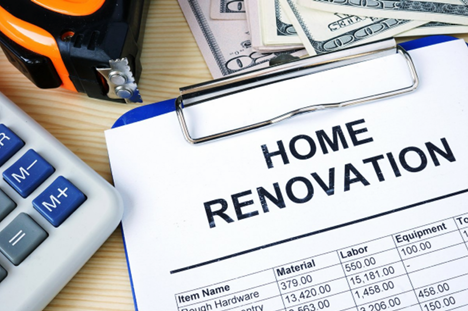
Mistake #1 – Underestimating the Budget
It is a common issue where renovations end up costing more than homeowners expect. Hidden costs can appear during construction such as plumbing, electrical or even structural issues. Furthermore, labour costs and permit fees can often be overlooked as well, which is why creating a realistic budget is the first and most important step before starting your project. Here’s how:
It is advised to start off by planning a contingency budget (emergency funds for unexpected events) of 5-10% of your total project cost. Another tip is to create a “Needs vs Wants” list, this will help you focus the budget on features that will improve function and daily living versus features that are aesthetic or will not be completely necessary in the long run. If your initial budget allows it, luxury upgrades can be added later. It is crucial to have the team you hired, inspect your home thoroughly, efficiently and often to make sure no problems will make an appearance later during construction.
Mistake #2 – Choosing Style Over Function
Choosing style over function is a very common issue when beginning the planning process. Many homeowners will tend to focus only on aesthetics, but aren’t too worried about how their home functions until later when the renovation design is completed. Poor kitchen layouts, lack of storage, furniture layouts that block movement and overly trendy materials are all examples of what can happen when aesthetics is put before function. Social media is great for trendy inspiration, however homeowners must keep in mind that these trends can influence decisions that may not always be a great fit for the home or will be outdated in the next few years.
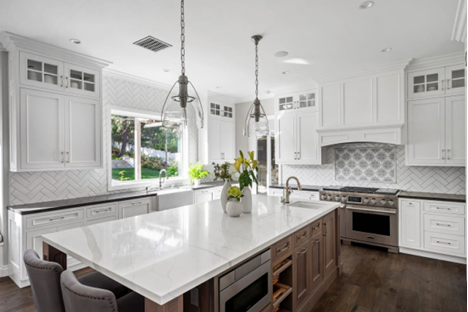
Here’s how to avoid coming across these issues: firstly, always focus on how you want the space to actually be used first. For example, in a kitchen, think about how you cook, prep and move between appliances rather than focusing only on how the space looks. Balancing style with practicality and considering daily lifestyles and routines is a very crucial step when planning for your renovation.
Mistake #3 – Poor Space Planning
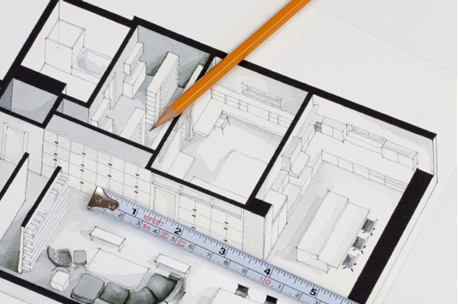
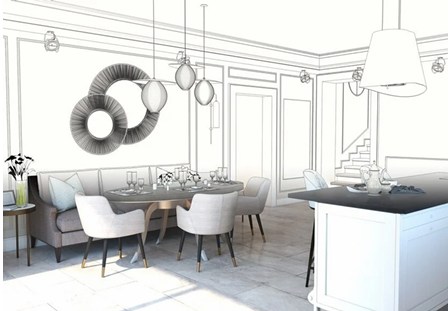
Planning a layout is one of the most important parts of renovation. Poor planning can cause the home to feel cramped, inefficient and non-functional. Common problems with space planning include awkward room flow, blocked pathways, poor circulation and wasted space. Some examples of this are the kitchen triangle (stove, fridge, sink) not working, bathrooms with very tight clearances, doors colliding and not enough space for circulation.
However, there are ways to avoid these problems as well. When you hire a construction company to start your renovation, it is crucial that the company also has a design professional on the team to assist clients with the planning stage. Thinking about how you move through the space and thinking about creating functional zones in each room is also very important and helpful when planning out your space.
Mistake #4 – Hiring the Wrong Contractor
Many homeowners choose contractors based on price, however low prices can usually reflect limited experience, cheaper materials, and can increase risk to the homeowner. Issues may include project delays, poor workmanship, and budget increases. To avoid any disruptions or issues during your renovation, research about potential contractors is required. There are 3 important things that need to be checked and taken into consideration before hiring: always checking references and past projects is important so that you can get a quick glimpse of what your project might look like, for example, paint jobs, cabinetry, flooring, etc. Second, always make sure a potential contractor is licensed and insured, this shows that they meet industry standards and legal requirements as well as ensures quality and compliance. Lastly, make sure your potential team is reputable. Reputable teams have proven experience, positive reviews and a track record of delivering projects that meet expectations.

Mistake #5 – Not Thinking About Resale Value
Renovations should reflect personal style but should also reflect future value as well. Highly specific or bold design choices can make a home harder to sell or can reduce its market value, for example bright and bold coloured kitchens, highly patterned tiles, unusual materials and converting bedrooms around a theme that includes permanent built-ins (home gym, studio, etc.) While it is important to create spaces you will enjoy, it is recommended to also maintain a level of mass appeal if you plan on or need to sell in the long run. Balancing personal style with timeless design elements, focusing on upgrades that are known to add value such as kitchens and bathrooms, and considering how your renovation choices will be perceived in the long term are all helpful tips to maintain or even increase your home’s resale value.
For more tips on timeless designMistake #6 – Ignoring Lighting
When you walk into a space, the lighting can almost immediately affect how the room feels. When doing a renovation, this feature can be overlooked because homeowners tend to focus more on visible finishes and aesthetics than how the space is illuminated. Relying on only one ceiling light, having poor lighting in kitchens and bathrooms and having any dark corners can make a space feel dim, uninviting and less functional while making everyday tasks uncomfortable.
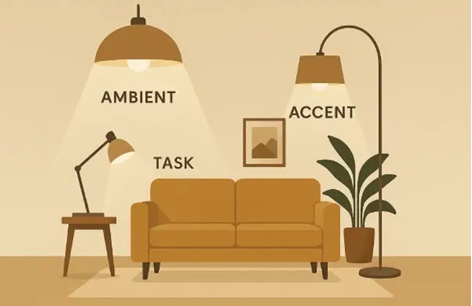
To avoid this, make sure you are planning lighting near the beginning of the renovation process. Maximizing natural light where possible and layering different types of lighting instead of relying on one source – for reference – there are 3 types of lighting: ambient, which is overall lighting (ceiling lights), task lighting, which is focused lighting for activities (under-cabinet lights, vanity lights) and accent lighting which highlights design features (LED strips, feature lighting). Thoughtful lighting design will make a space feel functional and can even boost energy and mood.
Mistake #7 – Skipping Professional Design Help
Homeowners can tend to take initiative to manage renovations on their own to save money, however without proper design knowledge, details can be overlooked early on and small
mistakes can turn into big costs fast. Common issues that occur are poor layouts that are not very functional, inconsistent material and finishings, misjudgement of scale, spacing and proportions, last minute changes due to lack of planning and budget overruns from avoidable mistakes. All of these can easily cause delays during construction, higher costs, frustration, decision fatigue and a final result that isn’t meeting overall expectations.
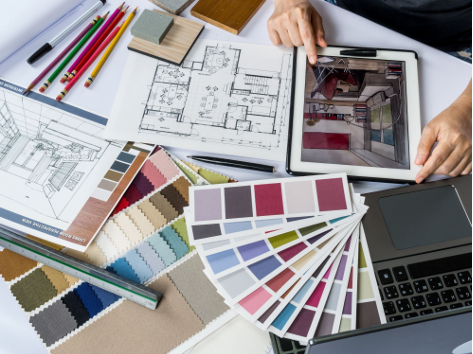
This is where professional support can make a major difference. Professionals are experienced and understand thoughtful space planning. They will provide efficient layouts, produce clear drawings and plans before construction, assistance with material, budget management and overall smoother, more organized renovation process all catered to your needs as the homeowner. Working with an experienced renovation and design team helps ensure every detail is planned, resulting in a space you will love.
Final Thoughts
Renovations are major investments. Having the right guidance and professionals managing your project can make the process a whole lot easier, while ensuring avoidance of common mistakes. This will save you time, money, stress and a space that won’t have to be redesigned in the next few years. A thoughtful approach from the start ensures a smoother process and a final result that is both practical for everyday living and built to stand the test of time.